Taking the FIFA World Cup 2026™ from the pitch to Canadian schools
New curriculum teaches children to explore soccer, identity and human rights
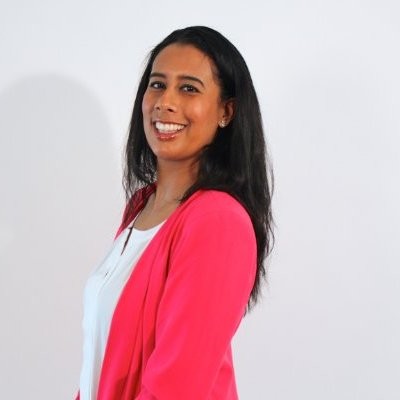
Sabrina Ramroop
As Canada continues to celebrate hosting the FIFA World Cup 2026™, one organization used the soccer tournament as an opportunity to engage youth through a special school assembly focused on connecting the power of sport with the values of human rights.
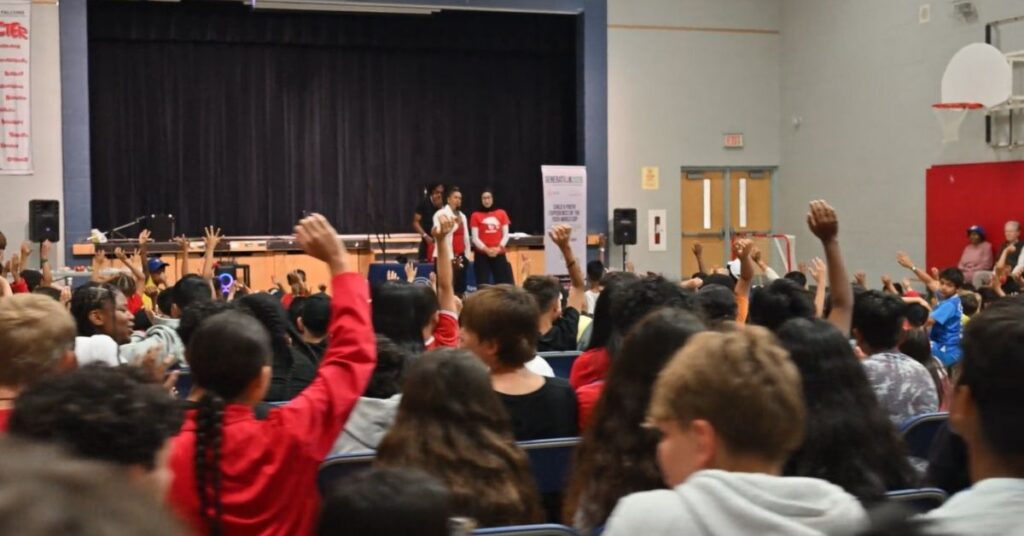
Students raising their hands and participating in the assembly
Last week, the Centre for Sport and Human Rights launched its school curriculum. Generation 2026 School-Based Curriculum (Generation 2026) is a FIFA World Cup 2026™ Toronto Legacy Program built with the generous support of Physical and Health Education Canada (PHE Canada). This free curriculum is an online resource designed to help children explore FIFA World Cup 2026™ through the lens of human rights, inclusion and global citizenship.
“Major global sporting events have the power to unite communities, but they also create opportunities for learning and reflection, especially for children,” says Dr. Sabrina Razack, Canada Senior Project Lead at the Centre for Sport and Human Rights. “Generation 2026 helps young people explore sport through the lens of their rights, their identities and their experiences so they feel that this global moment belongs to them.”
As a national leader in physical and health education, PHE Canada has been a key partner in shaping the curriculum’s approach to safe, inclusive sport. Their support helped ensure the resource reflects the realities of children’s experiences both on and off the field. Melanie Davis, the CEO of PHE Canada, shared her thoughts on the curriculum.
“With the FIFA World Cup 2026™ right here in Canada, we have a chance to spark conversations about what sport can and should look like — safe, inclusive and full of possibility. Generation 2026 is about harnessing that excitement and turning it into something lasting: a generation of young Canadians who understand their rights, their voice and their place in sport." — Melanie Davis, CEO, PHE Canada
The Centre for Sport and Human Rights hosted an assembly at Elizabeth B. Phin Public School, introducing students, teachers and staff to the curriculum. Students experienced a day of soccer-related education, games and activities centred on the FIFA World Cup™ that generated conversations about who gets to play, whose voices are heard and how they can take what they learned as they prepare for next year’s classes.
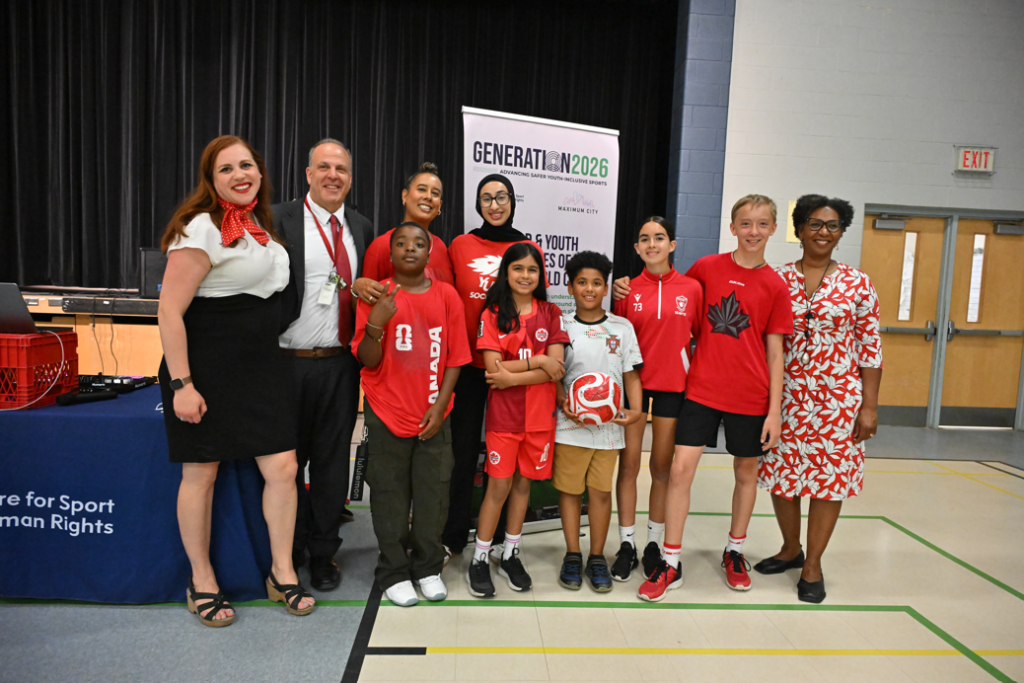
From left to right: Teri Rennie – School Vice Principal, Frank Samuels – School Principal, Sabrina Razack – Canada Senior Project Lead at the Centre for Sport and Human Rights, Rumaysa Khan – Athlete, Elijah Samuels – Student, Sareena Saini – Student, Rogrigo Moura – Student, Ariela Aliu – Student, Cameron Campbell – Student, Camille Williams-Taylor – CEO of Durham District School Board
“When we think about an event like this, the lessons are not just unique to schools in Durham region, but it's relevant to a greater community of sport across Canada,” shares Camille Williams-Taylor, CEO of Durham District School Board. “As students go away into the summer, playing together often helps to build a sense of community and fun.”
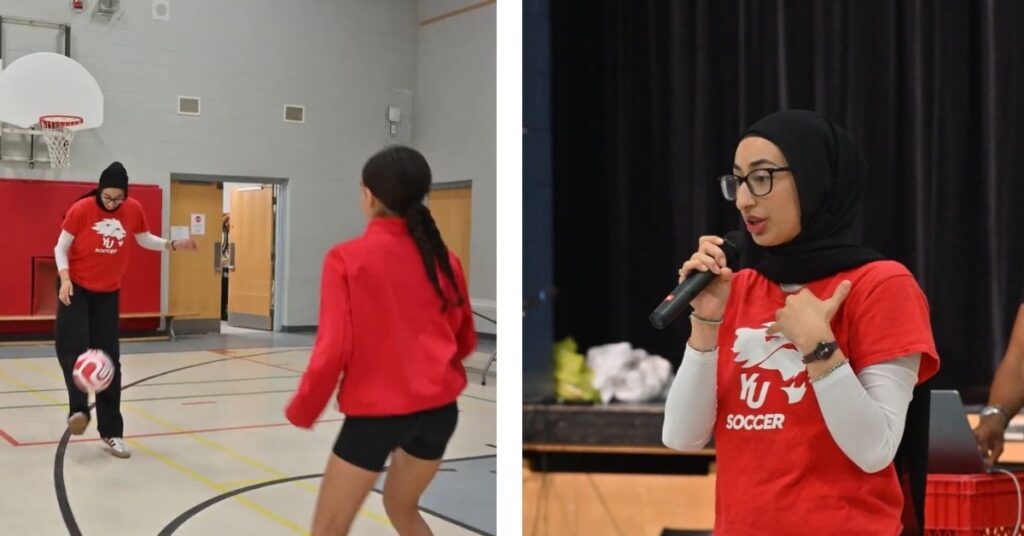
Mississauga-born soccer athlete and goalie for the Pakistan women’s national football team Rumaysa Khan also attended the event. Her presence gave children the opportunity to meet a professional soccer player from their own country. Rumaysa highlighted why this assembly mattered to her.
Rumaysa Khan playing soccer with a student (left); Rumaysa addressing students during the assembly (right)
“I think the connection that children should make between human rights and sports is that they themselves have the right to play and their peers also have the right to play, no matter what they look like, no matter where they come from. Everyone should feel safe participating in sport,” says Rumaysa Khan.
Children chattered excitedly when the assembly ended.”I think this is important because you have friendship and you work together to score goals, passing, assists. You work together so you can score a goal and win as a team,” says Rodrigo Moura, a student at the school. Another student, Ariela Aliu, added: “No matter where you come from or who you are, you can play soccer.” Her schoolmate, Sareena Saini, mirrored her thought: “Today I learned that no matter who you are, you can always play soccer. Even if you have a disability, you can still play. Soccer is a sport for everyone.”
The Generation 2026 School Curriculum is free and available online for educators, schools and community groups across Canada. Click here to get a copy of the curriculum.
Here’s a recap of the assembly:
About the organizations
Centre for Sport and Human Rights
The Centre for Sport and Human Rights is a human rights organisation for the world of sport. Its mission is to advance a world of sport that fully respects and promotes human rights by generating awareness, building capacity and delivering impact. For more information on the Centre for Sport and Human Right, please visit www.sporthumanrights.org
Physical and Health Education Canada (PHE Canada)
PHE Canada is Canada’s recognized leader in physical and health education, empowering students, teachers, and school communities with quality programs, professional development services, and community activations to ensure equitable access to the benefits of quality physical and health education and healthy learning environments for all 5 million students and 15,000+ school communities across Canada. For more information on PHE Canada, please visit www.phecanada.ca.